What is Swedish Massage?
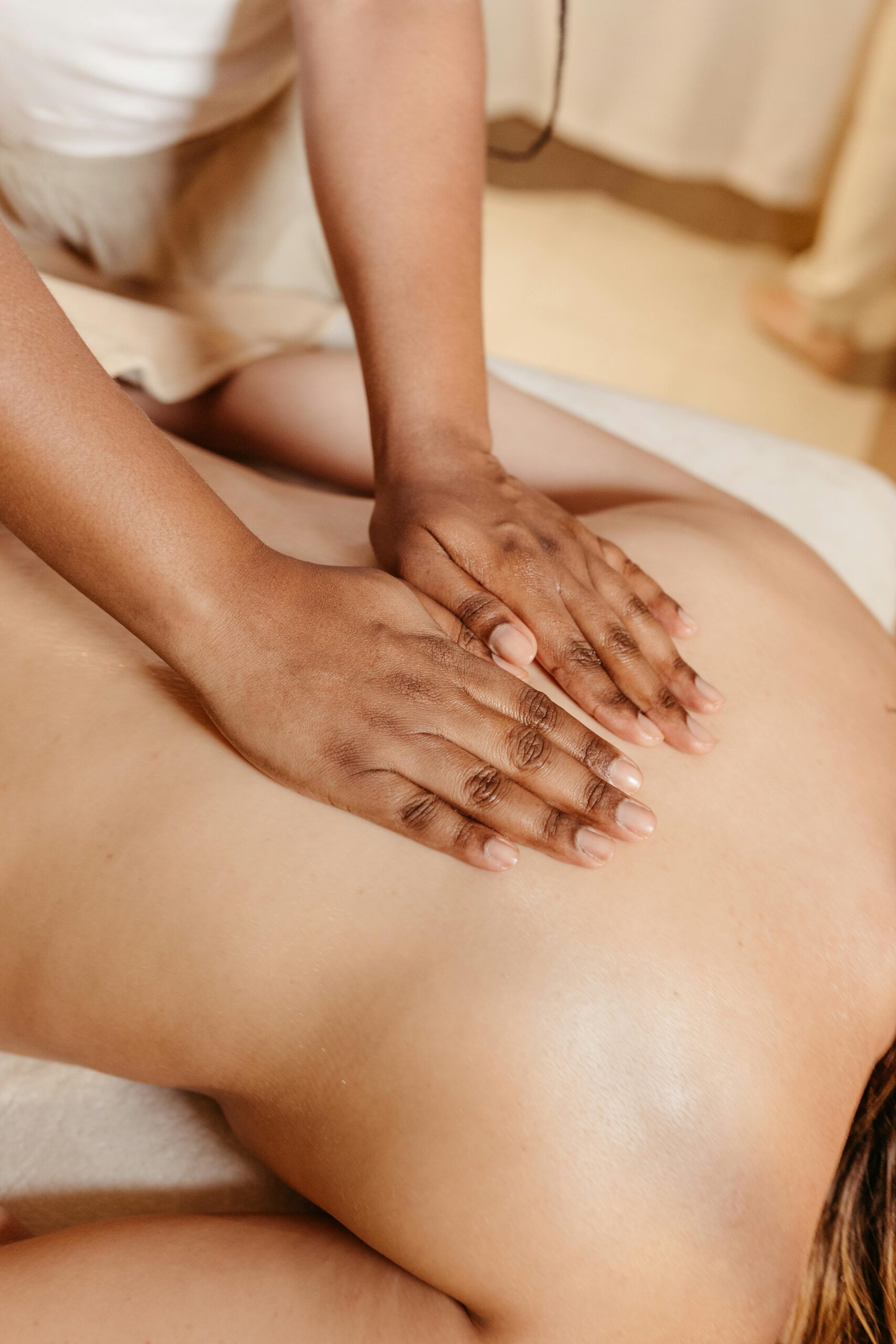
- Focuses on superficial muscle layers
- Designed to promote deep relaxation and stress relief
- Helps improve overall physical and mental well-being
- One of the most popular and widely practiced massage techniques
- Uses long, flowing strokes to relax and energize the body
- Includes techniques such as kneading, vibration, tapping, & rolling
- Improves blood circulation and lymphatic flow
- Supports flexibility and range of motion
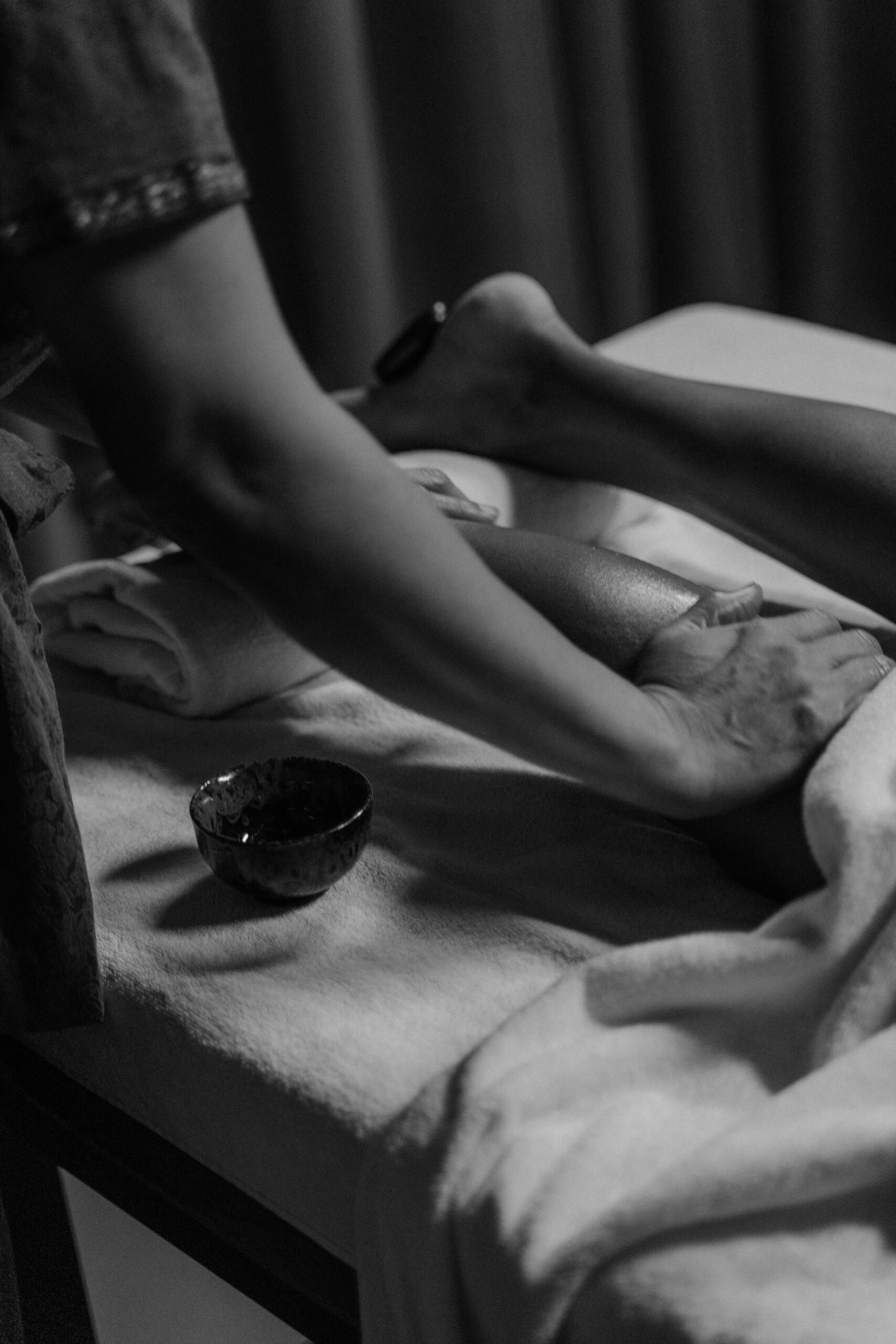
- Massage oil or lotion is used to reduce friction and nourish the skin
- Ideal for those seeking relaxation, rejuvenation, and general wellness
- Helps loosen tight muscles and reduce muscle tension
Benefits of Swedish Massage
- Ideal for first-time massage clients
- Leaves you feeling refreshed, relaxed, and re-energized
- Aids in stress and anxiety relief
- Helps calm the nervous system
- Encourages muscle flexibility and mobility
- Boosts energy levels and reduces fatigue
- Supports better sleep quality
- Improves blood circulation and oxygen flow
- Helps relieve muscle tension and stiffness
- Promotes deep relaxation and reduces stress
What Does Swedish Massage Include?
Stroking
The therapist starts by applying smooth, upward strokes toward the heart using the palms of the hands. These movements are performed with medium pressure to gently warm the muscles. This initial technique helps prepare the body for the massage while promoting relaxation and a calming effect.
Kneading
Kneading follows as the next technique, where the muscles just beneath the skin are gently squeezed and rolled using the palms. This method helps deepen muscle relaxation while enhancing blood circulation and stimulating lymphatic drainage.
Gliding
Gliding is a pressure-based technique used to address deeper muscle layers. The therapist applies controlled body weight through the palms, fingertips, knuckles, and forearms while smoothly moving across the client’s body. The pressure is gradually eased and then reapplied as the gliding motion continues. This flowing, repetitive technique supports deep muscle relaxation and promotes tissue healing.
Tapping
Tapping is used to relax smaller muscles throughout the body, including those on the face and along the spine. The therapist gently taps the muscles using the palms or thumbs to help release tension, improve blood circulation, and encourage muscle relaxation.
Rubbing
The therapist works by rubbing both the muscles and joints to ease knots and relieve built-up tension. Many people consider this technique to be one of the most soothing and relaxing parts of the massage.
Pounding
The therapist gently cups the palms and applies rhythmic pounding to the client’s body using medium pressure. This is followed by softly forming the hands into fists to rhythmically work the thighs, legs, and glute muscles. This final technique is both deeply relaxing and energizing, completing the Swedish oil massage experience.
FAQ – Swedish Massage
Swedish massage is a gentle, full-body oil massage therapy designed to relax muscles, improve circulation, and reduce stress. It uses long, smooth strokes, kneading, tapping, and light stretching techniques to promote overall wellness.
Swedish massage helps relieve muscle tension, reduce stress and anxiety, improve blood circulation, promote better sleep, and enhance mental relaxation. It is ideal for overall body rejuvenation.
Swedish massage uses moderate pressure — not too deep and not too light. It focuses on relaxation rather than intense muscle work, making it comfortable for most people.
Yes, Swedish massage is perfect for first-time spa visitors. Its gentle techniques make it one of the best relaxation therapies for beginners.
A typical Swedish massage session lasts between 60 to 90 minutes. Some spas also offer 30-minute express sessions or 120-minute extended sessions.
During the session, aromatic oils are applied to the body. The therapist will use long gliding strokes, kneading, and gentle movements to relax your muscles. You will feel calm, comfortable, and deeply relaxed.